
Breath awareness (Anapana)
Sit tall, close the eyes and simply feel the breath at the nostrils. When the mind wanders, come back. Best for beginners.
Dhyana
Breath awareness, Om japa, trataka, mala japa, yoga nidra and maitri — and a 10-minute session you can start today.
Dhyana
Try each for a week. Keep the one that feels natural.
Sit tall, close the eyes and simply feel the breath at the nostrils. When the mind wanders, come back. Best for beginners.
Chant "Om" slowly — A-U-M, with the M humming longer. After a few minutes, continue silently.

Gaze at a still flame at eye level, about an arm's length away, without blinking for as long as is comfortable; then close the eyes and hold the after-image.

Use a 108-bead mala; move one bead per repetition with the thumb, never crossing the larger "Meru" bead.
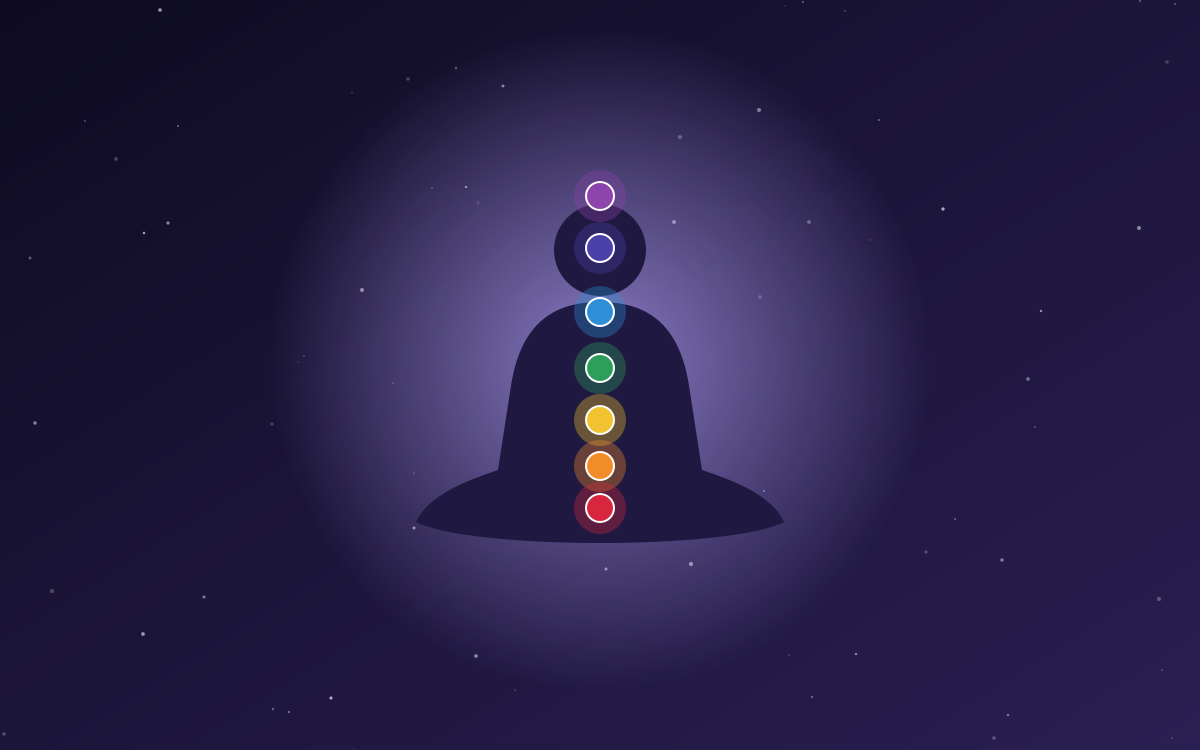
Lying down, move attention slowly through each part of the body. Deeply restful; good before sleep.

Wish well silently — first for yourself, then someone dear, then a stranger, then someone difficult.
Start today
Studies link regular practice with lower stress and better sleep and attention. The first weeks feel restless — that is normal, not failure. Meditation complements medical care; it does not replace it. If you have a history of trauma or severe anxiety, start with short sessions and a teacher.
FAQ
Brahma muhurat, about 1½ hours before sunrise, is traditional. Any fixed time you can keep daily works.
