If you have ever wondered what your birth chart says about your life, you are not alone. Thousands of people turn to Vedic astrology every day seeking answers about their career, relationships, health, and life purpose. But here is the thing — your Janam Kundli (birth chart) is not some mystical fortune-telling tool. It is a detailed cosmic map drawn at the exact moment and place of your birth. And once you understand the basics, it can give you remarkably practical insights into your strengths, challenges, and the best timing for important decisions.
In this guide, I will walk you through the fundamentals of reading a Vedic birth chart. We will keep things simple and practical, so whether you are a complete beginner or someone who just wants to understand their kundli better, you will find this helpful.
The Building Blocks of a Birth Chart
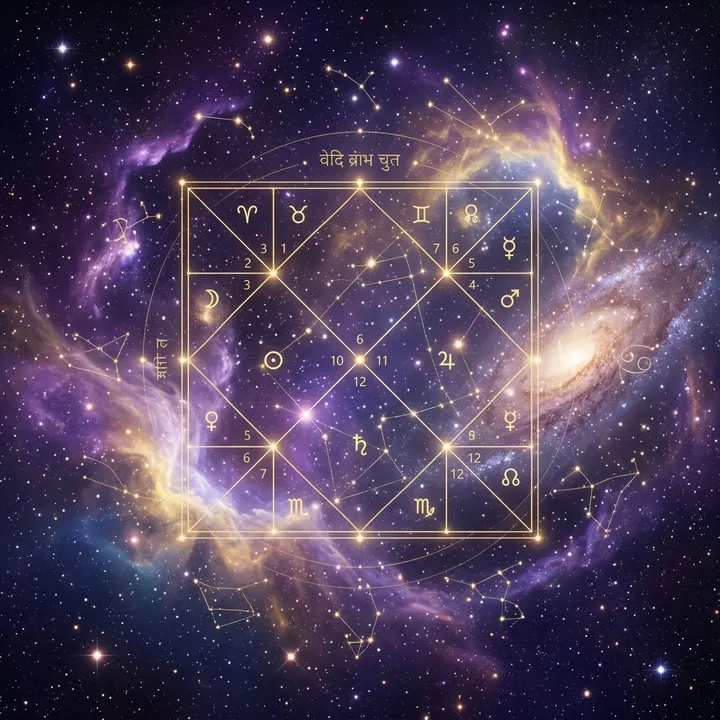
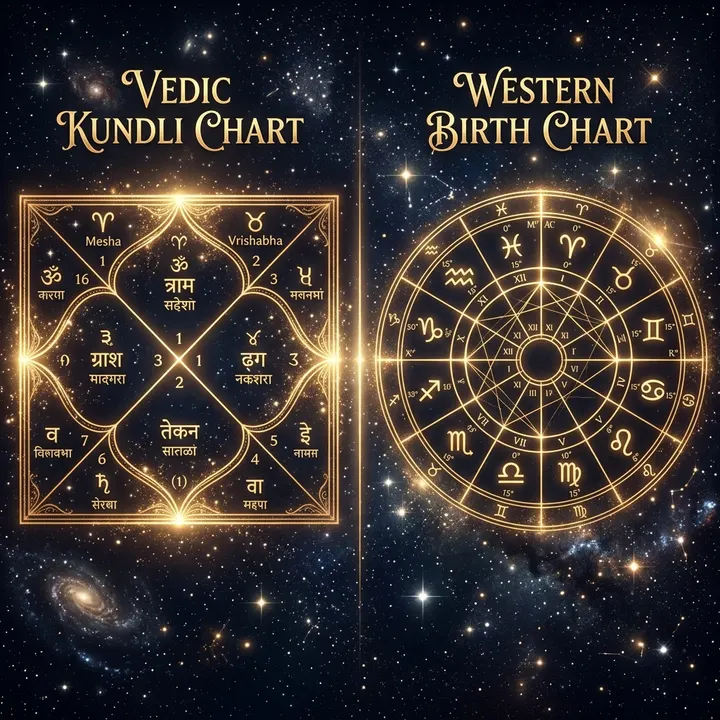
A Vedic birth chart, also called a Janam Kundli or horoscope chart, is made up of three main components: Grahas (planets), Rashis (zodiac signs), and Bhavas (houses). Together, these form the foundation of all Vedic astrology predictions.
There are nine primary Grahas in Vedic astrology: Surya (Sun), Chandra (Moon), Mangal (Mars), Budha (Mercury), Guru/Brihaspati (Jupiter), Shukra (Venus), Shani (Saturn), Rahu (North Lunar Node), and Ketu (South Lunar Node). Each planet represents a different area of life and carries its own unique energy.
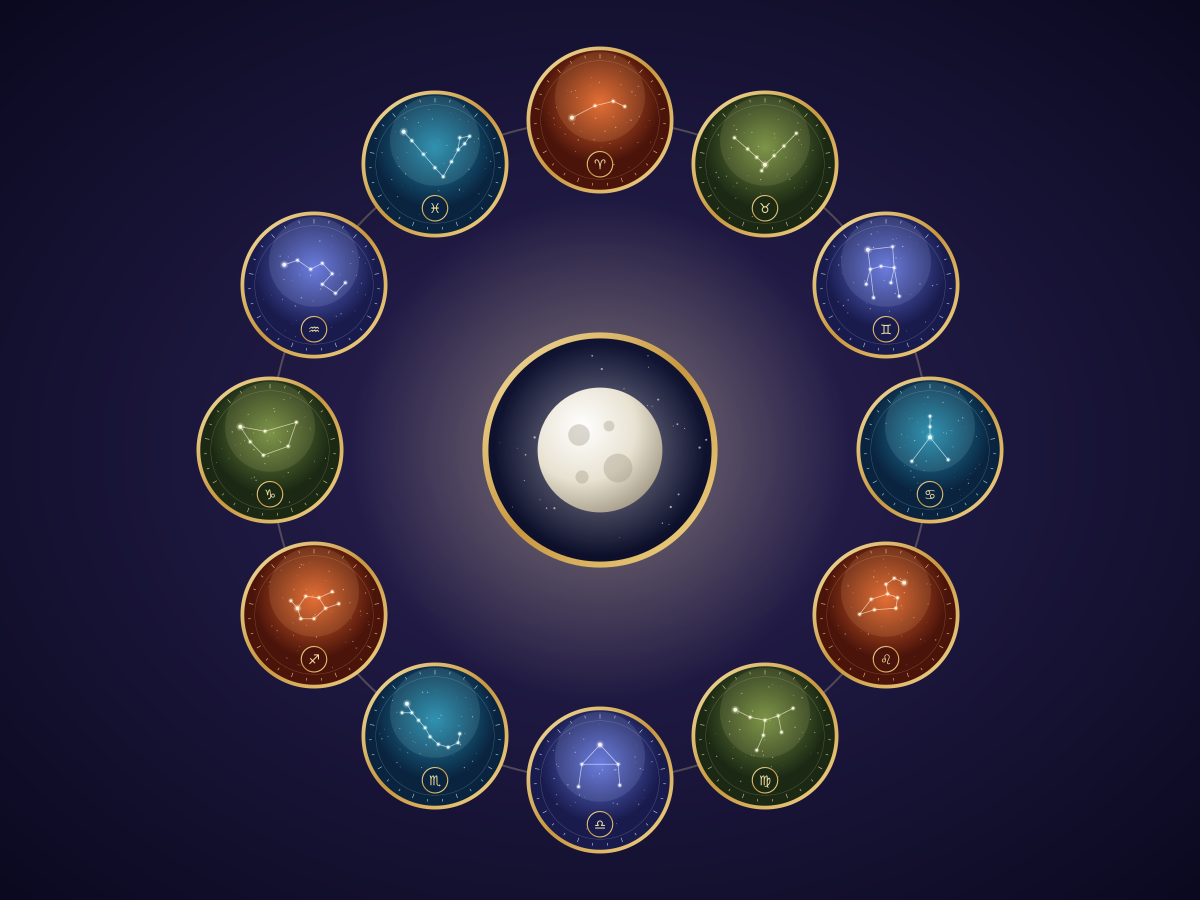
The twelve Rashis are the same zodiac signs you may already know — Mesha (Aries) through Meena (Pisces) — but in Vedic astrology, they are calculated using the sidereal zodiac system, which accounts for the precession of the equinoxes. This is why your Vedic sun sign may differ from your Western sun sign — the two zodiacs are currently about 24 degrees apart.
The twelve Bhavas (houses) represent different areas of your life. The first house is about your personality and physical appearance. The seventh house is about marriage and partnerships. The tenth house is about career and public reputation. Each house has a natural signification, but the actual meaning depends on which planets and signs are placed in it.
The Lagna: Your Rising Sign
The most important part of your birth chart is the Lagna, or the Ascendant. This is the zodiac sign that was rising on the eastern horizon at the time of your birth. The Lagna determines the entire structure of your chart — it sets the first house, and all other houses follow from it.
Think of the Lagna as the lens through which you experience life. If your Lagna is Aries (Mesha), you will tend to be bold, impulsive, and action-oriented. If your Lagna is Cancer (Karka), you will be more emotional, nurturing, and family-focused. Your Lagna also determines your physical build, general temperament, and how others perceive you.
To find your Lagna, you need your exact time and place of birth. Even a difference of a few minutes can shift the Lagna to the next sign. This is why accurate birth time is so important in Vedic astrology.
Understanding the Houses
Each of the twelve houses in your chart represents a specific area of life. Here is a quick overview:
- 1st House (Lagna Bhava): Self, personality, physical appearance, health
- 2nd House (Dhana Bhava): Wealth, family, speech, education
- 3rd House (Bhratru Bhava): Siblings, courage, communication, short travels
- 4th House (Sukha Bhava): Home, mother, property, emotional happiness
- 5th House (Putra Bhava): Children, creativity, romance, intelligence
- 6th House (Ari Bhava): Enemies, debts, diseases, daily work
- 7th House (Yuvati Bhava): Marriage, business partners, public relationships
- 8th House (Mrityu Bhava): Longevity, hidden matters, inheritance, transformation
- 9th House (Dharma Bhava): Guru, luck, religion, higher learning, travel
- 10th House (Karma Bhava): Career, status, father, achievements
- 11th House (Labha Bhava): Gains, friendships, aspirations, income
- 12th House (Vyaya Bhava): Expenses, foreign lands, spirituality, sleep
The Planets and Their Meanings
Each planet in Vedic astrology has a specific role:
Surya (Sun) represents your soul, ego, authority, and father. It takes about 30 days to move through one sign. A strong Sun in your chart gives confidence, leadership ability, and a magnetic personality.
Chandra (Moon) represents your mind, emotions, and mother. It changes signs approximately every 2.25 days, which is why moon sign predictions change so frequently. Your Moon sign is considered almost as important as your Lagna in Vedic astrology.
Mangal (Mars) represents energy, courage, ambition, and siblings. It is the planet of action and can be aggressive if poorly placed. Mars takes about 45 days per sign.
Budha (Mercury) rules communication, intellect, business, and speech. It takes about 30 days per sign but moves retrograde frequently — about three times a year for three weeks at a time.
Guru or Brihaspati (Jupiter) is the most benefic planet. It represents wisdom, luck, spirituality, children, and higher knowledge. Jupiter takes about 12 months to transit one sign.
Shukra (Venus) represents love, beauty, luxury, marriage, and the arts. It takes about 30 days per sign and is considered the teacher of the demons (Daityas) in mythology, yet it is highly benefic for worldly pleasures.
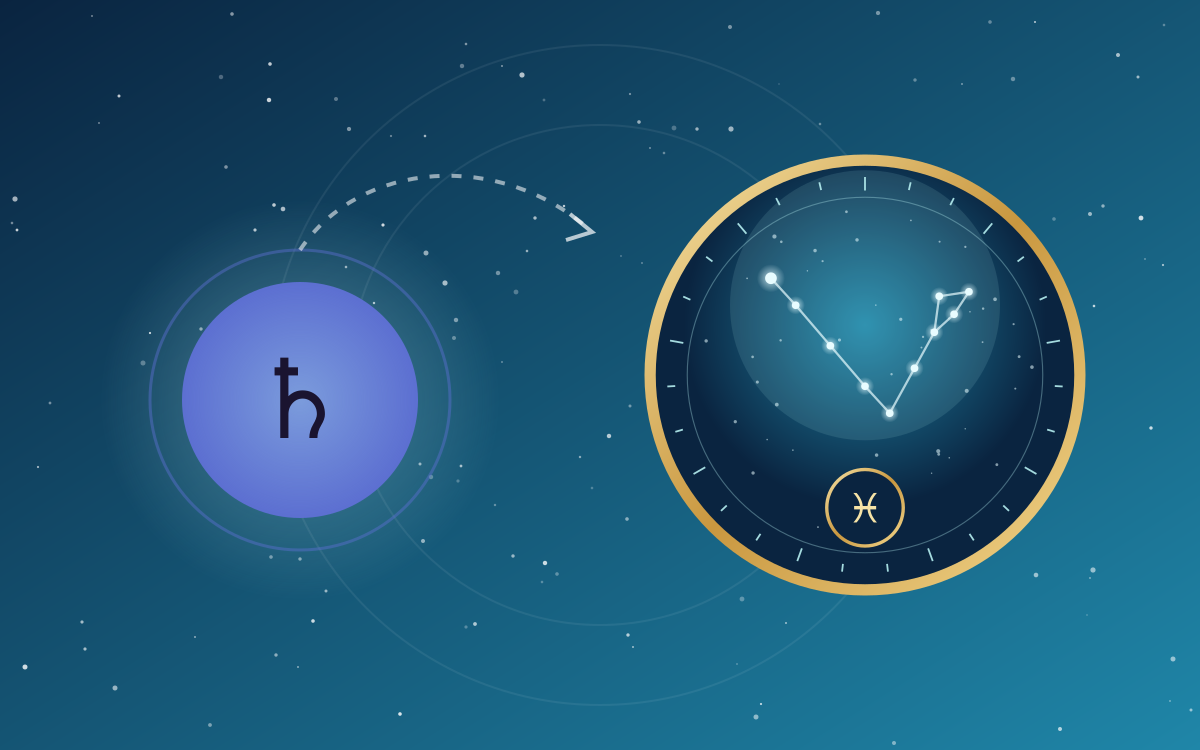
Shani (Saturn) is the planet of karma, discipline, hard work, and longevity. It takes about 2.5 years to transit one sign. Shani is often feared, but in reality, it simply gives you what you have earned through your actions.
Rahu and Ketu are shadow planets — mathematical points where the moon's orbit intersects the ecliptic. Rahu represents desires, obsession, and materialism. Ketu represents detachment, spirituality, and past-life karma. They move backwards through the zodiac, taking about 1.5 years per sign.
Nakshatras: The Lunar Mansions
One unique feature of Vedic astrology is the Nakshatra system. There are 27 Nakshatras, or lunar mansions, each spanning 13 degrees and 20 minutes of the zodiac. Your birth Nakshatra is determined by the position of the Moon at your birth, and it reveals deep insights about your personality, strengths, and life purpose.
Each Nakshatra has a ruling deity, a symbol, and specific characteristics. For example, Ashwini Nakshatra (0-13.20 degrees Aries) is ruled by the Ashwini Kumaras, the divine horsemen, and represents speed, healing, and new beginnings. People born in Ashwini are often quick thinkers, natural healers, and pioneers in their field.
Doshas: What to Watch For
Your birth chart may have certain doshas (afflictions) that need attention. The most common ones are Manglik Dosha (Mars afflicting the 1st, 4th, 7th, 8th, or 12th house), Kaal Sarp Dosha (all planets between Rahu and Ketu), and Pitru Dosha (Sun and Saturn affliction related to ancestors).
Having a dosha does not mean something is wrong with you. It simply indicates an area of life that requires more awareness and remedial action. There are well-established Vedic remedies for every dosha, including mantra chanting, gemstone therapy, donations, and specific rituals.
Practical Tips for Reading Your Chart
- Start with the Lagna: Always look at the first house first. Your rising sign sets the tone for everything else.
- Check the Moon sign: Your Moon sign reveals your emotional nature. This is crucial for understanding relationships.
- Look for planet combinations: When multiple planets sit together in one house (conjunction), their energies mix. This can create powerful results.
- Check house lords: The planet that rules the sign on a house cusp becomes the lord of that house. Where that planet sits influences the affairs of the house it rules.
- Consider aspects: Every planet aspects certain houses. Saturn aspects the 3rd, 7th, and 10th houses from its position. Jupiter aspects the 5th, 7th, and 9th. Mars aspects the 4th, 7th, and 8th.
Reading a Vedic birth chart takes practice. Do not expect to master it overnight. Start by understanding your own chart, then move on to friends and family. Over time, you will develop an intuitive feel for how the planets, signs, and houses work together.
If you want to dive deeper into any specific topic we covered here, check out our other articles on planetary transits, gemstone recommendations, and relationship astrology. Your birth chart is a lifelong companion — the more you understand it, the more empowered you become to make wise decisions.
Explore more
This guide is for general reading. For decisions about marriage, health or money, have your full chart read by a qualified astrologer.